
Watter soorte sinne kry ons? What sentence types are there?
Let’s make this simple. Work through the lesson, then practise one step at a time. You do not need to guess; use the examples and checks as your guide.
What You Will Learn
You will build confidence with this topic by reading the explanation, checking the examples, and completing the related practice task.
Lesmateriaal



Let’s make this simple. Read the explanation first, then use the examples to check your understanding.
Print book Lesmateriaal Site: Learning System – WordWise Course: Grade 9 Afrikaans FAL Book: Lesmateriaal Printed by: Codex Skill Date: Friday, 22 May 2026, 2:23 PM Table of contents 1. Video 2. Enkelvoudige Sinne 3. Vraagsin 4. Bevelsin 5. Uitroepsin 6. Handige Wenke (Handy Tips) 1. Video Play Video 2. Enkelvoudige Sinne An enkelvoudige sin is a simple sentence in Afrikaans that contains only one finite verb and expresses a single idea or action.
It typically has one subject and one predicate, without any subordinate or additional clauses. Key Features of an Enkelvoudige Sin: One Finite Verb: The sentence includes only one conjugated verb that shows tense. Example: Ek eet pizza. (I eat pizza.) Expresses a Complete Thought: It conveys a single idea or action. Example: Die kat slaap op die mat. (The cat sleeps on the mat.) No Subordinate Clauses: There are no dependent or additional clauses in the sentence.
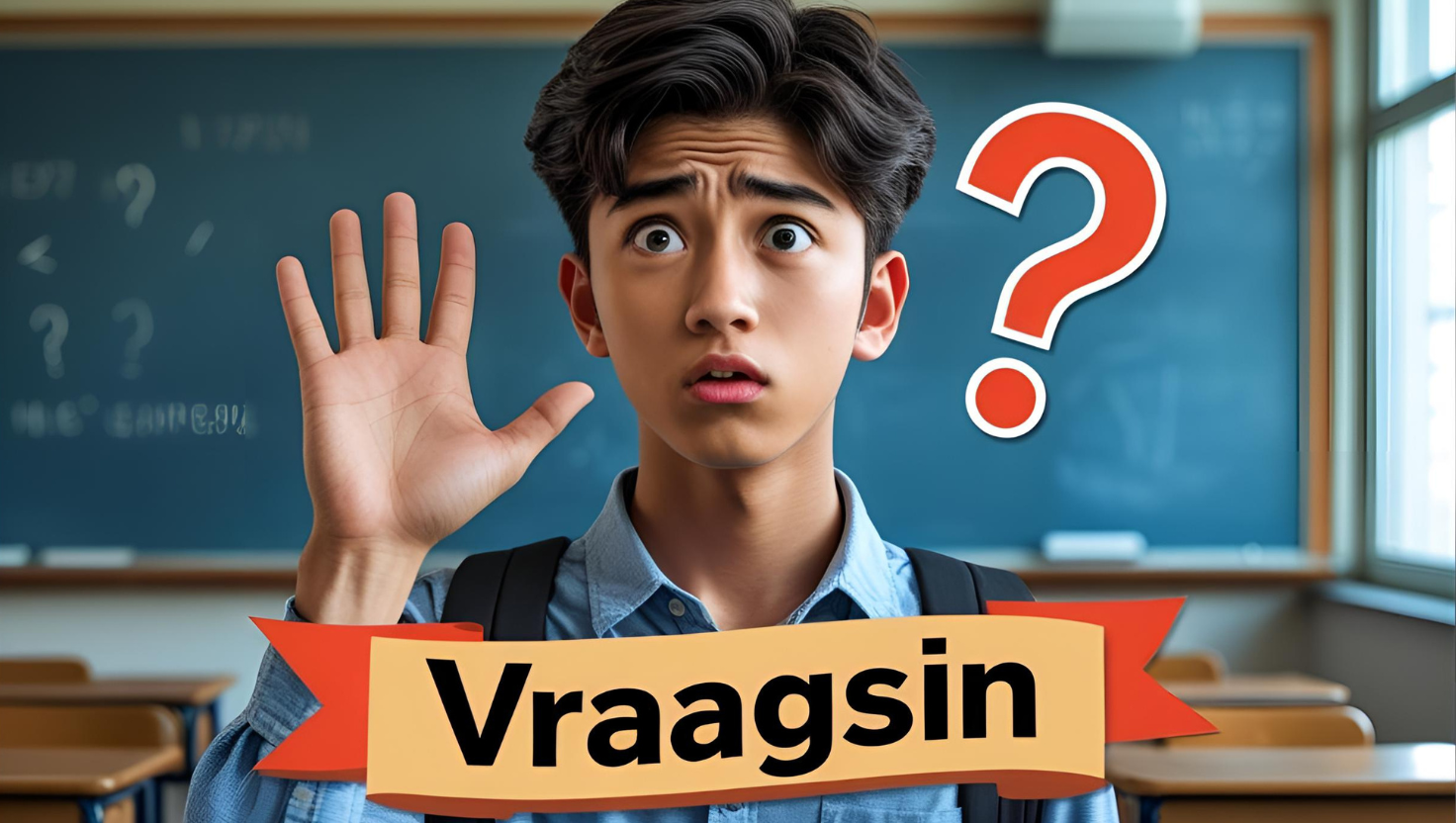
Example: Ons speel sokker. (We play soccer.) Examples of Enkelvoudige Sinne: Sy lees ‘n boek. (She reads a book.) Ek drink koffie. (I drink coffee.) Hulle speel musiek. (They play music.) It is the simplest type of sentence and serves as the foundation for more complex sentence structures in Afrikaans. 3. Vraagsin ’n Vraagsin vra vir inligting. Dit is wanneer jy iets wil weet.
A question sentence asks for information. It is when you want to know something. ’n Vraagsin begin dikwels met ’n vraagwoord soos wie, wat, waar, wanneer, hoekom of hoe. A question sentence often starts with a question word like who, what, where, when, why or how. ’n Vraagsin eindig altyd met ’n vraagteken (?). A question sentence always ends with a question mark (?).
Voorbeeld: Waar woon jy? Where do you live? Nog voorbeelde van vraagsinne: More examples of question sentences: Wat eet jy vir ontbyt? What do you eat for breakfast? Hoe kom jy by die skool? How do you get to school? 4. Bevelsin ’n Bevelsin sê vir iemand om iets te doen. Dit is ’n opdrag of ’n bevel. A command sentence tells someone to do something. It is an order or instruction.
’n Bevelsin begin met ’n hoofletter en eindig dikwels met ’n uitroepteken (!), maar kan ook met ’n punt (.) eindig. A command sentence starts with a capital letter and often ends with an exclamation mark (!), but can also end with a full stop (.). Voorbeeld: Staan op! Stand up! Nog voorbeelde van bevelsinne: More examples of command sentences: Maak jou boek oop!
Open your book! Luister mooi. Listen carefully. 5. Uitroepsin ’n Uitroepsin wys sterk emosie soos vreugde, woede, skrik of verbasing. An exclamation sentence shows strong emotion like joy, anger, fright, or surprise. ’n Uitroepsin begin met ’n hoofletter en eindig altyd met ’n uitroepteken (!). An exclamation sentence starts with a capital letter and always ends with an exclamation mark (!).
Voorbeeld: Jippie, dit is vakansie! Yay, it’s holiday! Nog voorbeelde van uitroepsinne: More examples of exclamation sentences: Wat ’n pragtige blom! What a beautiful flower! O nee, my boek is weg! Oh no, my book is gone! 6. Handige Wenke (Handy Tips) Onthou hierdie wenke: Stelsin: Gee inligting. (Punt) Gives information. (Full stop) Vraagsin: Vra iets. (Vraagteken) Asks something.
(Question mark) Bevelsin: Sê wat om te doen. (Uitroepteken of punt) Tells what to do. (Exclamation mark or full stop) Uitroepsin: Wys gevoel. (Uitroepteken) Shows feeling. (Exclamation mark)
Quick practice
Choose three examples and explain why each answer works. Practise one step at a time.